 Creating confident smiles
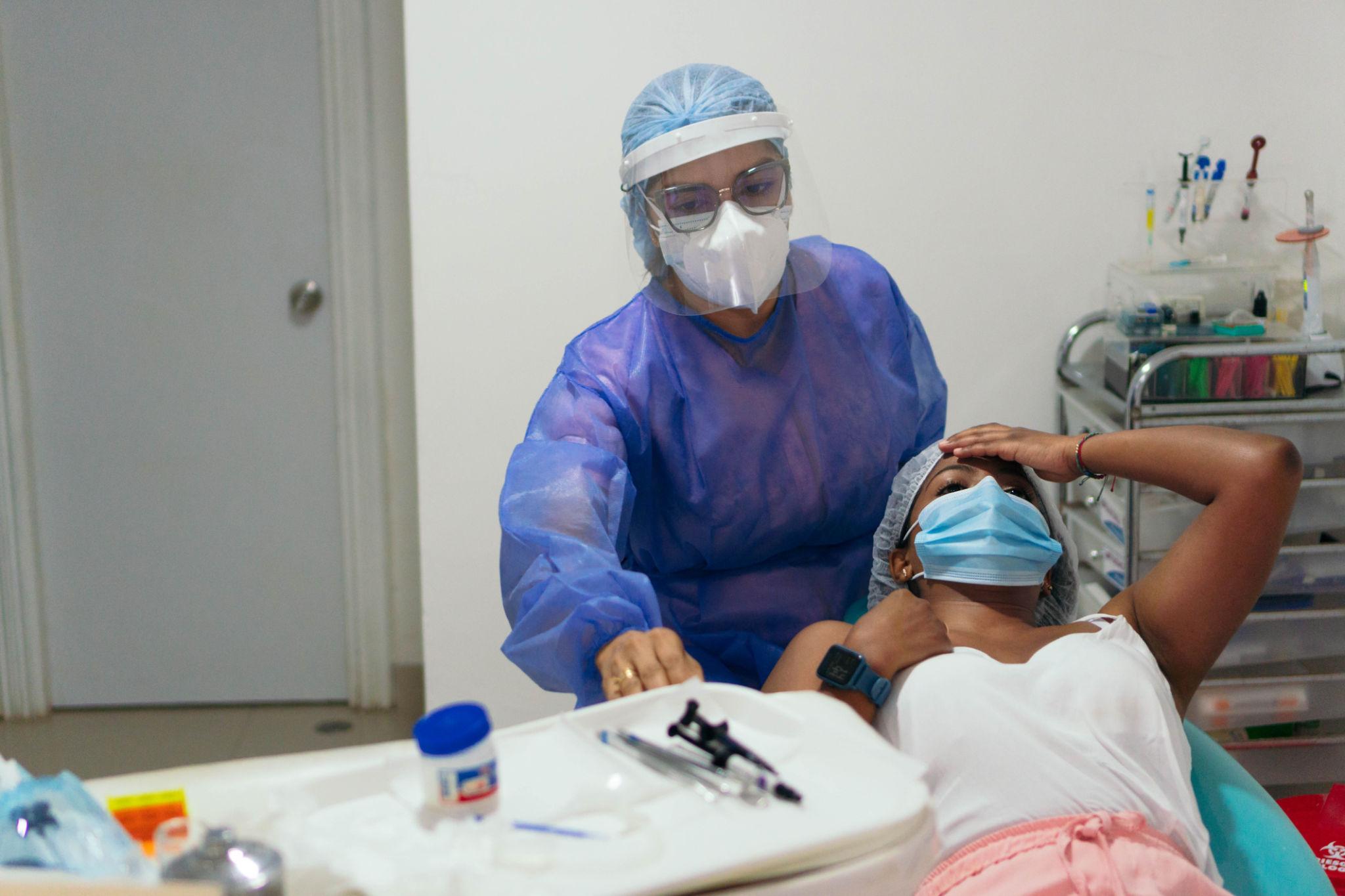
COVID-19 Safety Protocols at Wisdom Dental Clinics
Learn how sterilization, infection-control routines and careful clinical workflows help create a safer dental experience.
Explore practical dental information, modern treatment insights and patient education from our clinical team.
Learn how sterilization, infection-control routines and careful clinical workflows help create a safer dental experience.
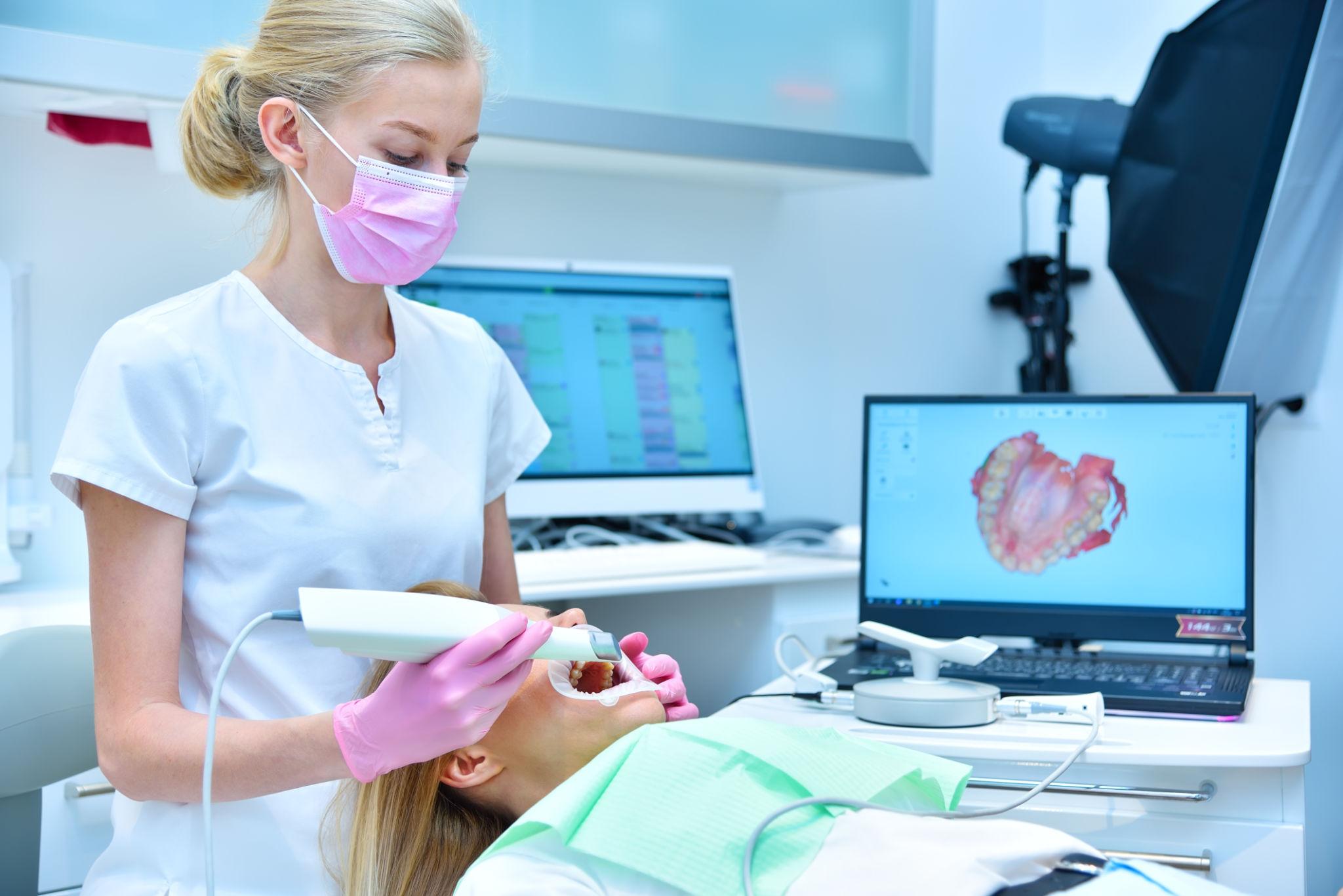
Discover how digital records, intraoral scanning and careful planning can support predictable smile transformations.
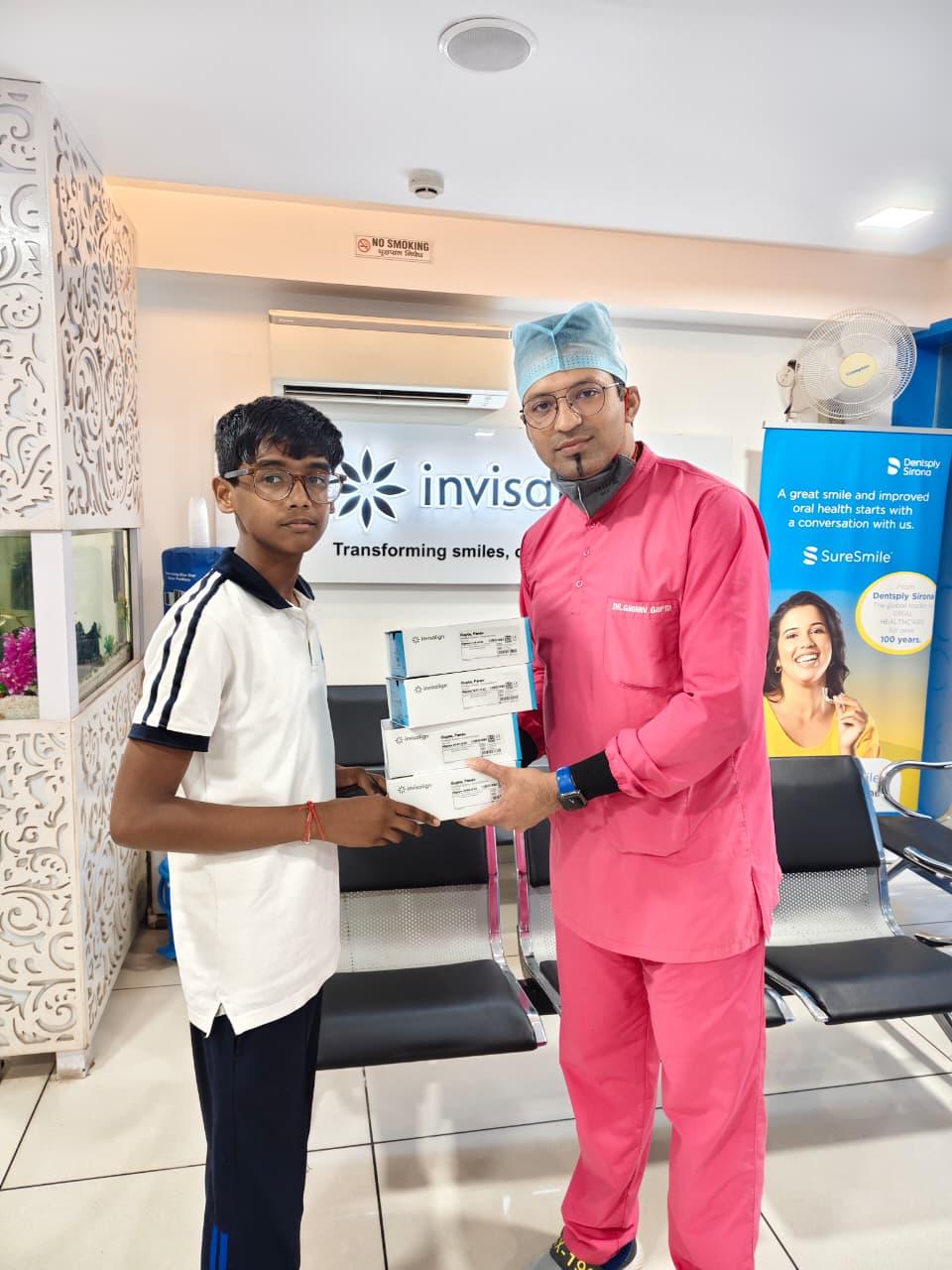
Compare clear aligners and traditional braces across appearance, comfort, care and treatment suitability.
A safe dental visit depends on consistent infection-control practices before, during and after every appointment. At Wisdom Dental Clinics, clinical safety is treated as an everyday responsibility rather than a temporary measure.
Dental teams work close to the mouth and use instruments that may contact saliva or blood. A structured safety process helps protect patients, doctors and support staff while allowing treatment to be delivered in a clean and organized environment.
Reusable dental instruments pass through a defined cleaning, packaging and sterilization workflow. Instruments are prepared in sealed packs and opened for the patient at the time of treatment. Single-use items are discarded after use according to clinical waste procedures.
Frequently touched surfaces such as the dental chair controls, light handles and work counters are cleaned between patients. Protective barriers may be used on selected surfaces and replaced after each appointment.
The clinical team uses appropriate masks, gloves, protective eyewear and other protective equipment based on the procedure being performed. Hand hygiene is completed before and after patient contact and whenever gloves are changed.
Some dental procedures can create a fine spray. High-volume suction, careful instrument selection and appropriate ventilation can help manage aerosols during treatment. The exact measures used depend on the procedure and the patient's clinical needs.
Inform the clinic if you have fever, active respiratory symptoms or a recent contagious illness. The dental team can guide you on whether the visit should continue or be rescheduled.
Good infection control is built on consistency, staff training and attention to detail. Our goal is to make every visit comfortable while maintaining a careful clinical environment for patients of all ages.
Digital Smile Design combines photography, scanning and computer-guided planning to help the dentist study a patient's smile in greater detail. It can make communication clearer and allow selected treatments to be planned with a visual reference.
Digital Smile Design is a planning approach rather than a single treatment. The dentist evaluates the relationship between the teeth, gums, lips and facial features, then uses digital records to discuss possible changes in tooth shape, alignment, colour or proportion.
A digital simulation helps communication, but the final clinical result can vary because real teeth, gums, healing and bite conditions must all be considered.
A smile plan may involve one treatment or a combination of procedures such as professional cleaning, whitening, bonding, veneers, crowns, orthodontic alignment, implants or gum treatment. The correct sequence depends on oral health, bite and long-term stability.
Many patients can benefit from digital planning, but cosmetic changes should begin only after cavities, gum disease, infection and bite concerns have been evaluated. A healthy foundation is essential for a stable and natural-looking result.
Clear aligners and traditional braces can both move teeth effectively, but they work in different ways. The better option depends on the complexity of the tooth movement, lifestyle, age, oral hygiene and willingness to follow the treatment instructions.
Clear aligners are removable, transparent trays made in a planned sequence. Each set applies controlled pressure to move the teeth gradually. They are generally worn for most of the day and removed for eating, brushing and flossing.
Braces use brackets attached to the teeth and an orthodontic wire that guides tooth movement. They remain fixed throughout treatment and are adjusted periodically by the dentist or orthodontist.
| Factor | Clear Aligners | Traditional Braces |
|---|---|---|
| Appearance | Nearly transparent and less noticeable. | Visible brackets and wires; aesthetic options may be available. |
| Removability | Removed for meals and oral hygiene. | Fixed to the teeth during treatment. |
| Daily discipline | Success depends heavily on wearing the trays as advised. | Works continuously without the patient removing it. |
| Food choices | Fewer restrictions because trays are removed while eating. | Hard, sticky or damaging foods usually need to be avoided. |
| Cleaning | Teeth can be brushed and flossed normally after removing trays. | Extra care and special cleaning around brackets are needed. |
| Complex movements | Suitable for many cases; some complex movements may need attachments or another approach. | Offers broad control for simple as well as complex orthodontic problems. |
Photographs, scans and X-rays may be required to assess tooth roots, bone support, bite and available space before a suitable treatment plan can be recommended.
Duration and fees vary according to case complexity, the appliance selected, the number of planned stages and the need for additional procedures. A personalized consultation is the most reliable way to understand the expected timeline and investment.
Clear aligners offer discretion and convenience, while braces offer dependable fixed control. Both can produce excellent results when they are correctly planned and the patient follows the care instructions.